
1.1 Cicadas - Auchenorrhyncha
1.1.1 Six-spotted leafhopper - Macrosteles laevis (Ribaut) (Homoptera, Cicadellidae)
Size: 3.2-4 mm. The body is lance-shaped when viewed from above, with the widest point toward the front. The head is slightly wider than the pronotum. Colour ranges from greenish-grey to yellowish-green, often with dark, merging spots (Figure 1).
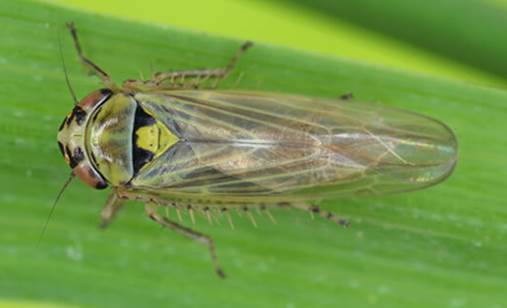
Figure 1 - Six-spotted leafhopper - Macrosteles laevis (Ribaut)
Eggs are characterised as slightly curved, shiny, and deposited within plant tissues.
Nymphs are drop-shaped, being broadest at the front.
Distribution. Widely distributed across the former USSR, throughout the Palearctic region, and even present on the Alaska Peninsula..
Overwintering: Fertilised eggs remain in the leaves of winter cereals. In spring, nymphs hatch.
Adults emerge (winged stage) around May-June. This species is xerophilic (adapted to dry conditions) and completes 2–3 generations per year.
Harmfulness. Affects all cereal crops by feeding on the sap of above-ground plant parts. Damage results in leaf discolouration and wilting, along with pale spots on stems. It is a known vector for various viral diseases, including barley yellow dwarf virus, oat dwarf virus (Bei-Bienko et al., 1972), wheat dwarf and mosaic viruses (Schmelzer, Spaar, 1977), and beet mosaic virus (Migulin, 1976).
1.1.2 Striped leafhopper - Psammotettix striatus (L.) (Homoptera, Cicadellidae)
Size: 3.5-5 mm. Body is lanceolate, widest in the front half. Colouration ranges from greyish-yellow to brownish. Legs are yellowish; forewing veins are brown. The forewings have blunt, rounded tips (Figure 2).
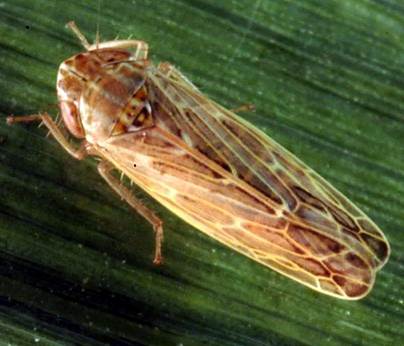
Figure 2 - Striped leafhopper - Psammotettix striatus (L.)
Slightly curved and shiny, the eggs are embedded within the tissues of the host plant (Figure 3).
Nymphs are initially dark brown, turning greyish-yellow as they develop.
Distribution. Found throughout the former USSR (excluding the far north), Europe, North Africa, and most of Asia (except tropical regions).
During the winter, eggs stay hidden in slits or cuts on the leaves of winter cereal crops.
In the spring, nymphs hatch and go through five growth stages over the course of 20 to 40 days, with the early stages being relatively inactive. Adult insects begin to emerge in May. They prefer environments with moderate moisture and typically produce between one and four generations each year. A single female can lay up to 200 eggs.
Harmfulness. These insects harm all types of cereal crops by feeding on the sap from the above-ground parts of the plant. As a result, the affected leaves become discoloured and begin to wilt. In addition to physical damage, they also act as vectors for several viral diseases, including winter wheat mosaic, white mosaic, wheat dwarfism, and pale green dwarfism (Bei-Bienko et al., 1972; Matthews, 1973; Dubonosov, Panarin, 1974; Schmelzer, Spaar, 1977).
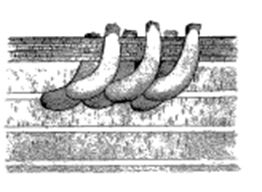
Figure 3 - Egg laying of leafhoppers (according to Dushek)
1.1.3 Dark leafhopper - Laodelphax striatellus (Fallen) (Homoptera, Delphacidae)
The insect measures between 3.5 and 4 mm in length and has a lance-shaped body when viewed from above, with the widest part in the middle. The head is notably narrower than the forebody. Its colour ranges from grey-yellow to brown, with yellowish legs and brown veins on the forewings. The forewings are more rounded at the edges (Figure 4).
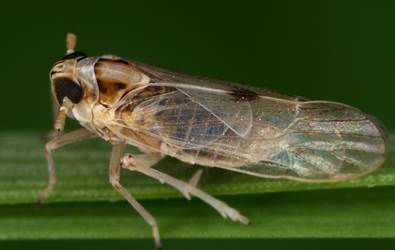
Figure 4 - Dark leafhopper - Laodelphax striatellus (Fallén)
Distribution. This species can be found throughout the CIS, Europe, North Africa, and Asia, but not in tropical regions.
In winter, the insect overwinters as fertilised eggs on the leaves of winter cereals. Nymphs emerge in the spring, and a large migration of adults generally occurs by the end of May. Typically, the species completes 1-3 generations annually.
Harmfulness. The insect affects cereal crops by extracting sap from the plant’s above-ground parts, causing the leaves to become discoloured and shriveled. Additionally, it transmits several viral infections, including pseudo-rosette disease in oats and other grains, red dwarfism in corn, and striped disease in rice (Bei-Bienko et al., 1972; Matthews, 1973).