
1.2 Aphids - Aphidinea
1.2.1 Wheat aphid - Schizaphis graminum Rond. (Homoptera, Aphididae)
The wingless viviparous female measures between 1.3 and 2.1 mm in length, while the winged version is slightly larger, ranging from 2.7 to 2.9 mm. The body is oval, with its widest point just behind the center. It has a dark green colour, featuring a longitudinal stripe along the top. The siphunculi are roughly 1.7 to 1.8 times the length of the tail (Figure 5). The founding female is notably slimmer, with a pronotum that is almost rectangular in shape and an oval abdomen.
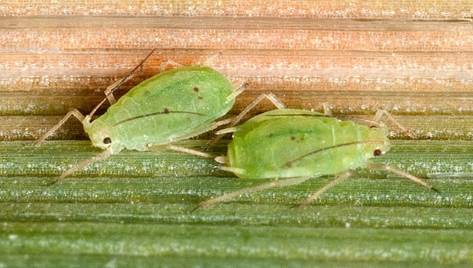
Figure 5 - Wheat aphid - Schizaphis graminum Rond.
The egg has an elongated oval shape, measuring 0.6×0.2 mm. When freshly laid, it appears greenish, gradually darkening and turning black within 2-3 days.
Distribution. The species is found across the forest-steppe and steppe regions of the European part of the CIS, the Caucasus, southern Siberia, the Far East, and Central Asia. It also occurs in Southern Europe, Africa, parts of the Middle East, Japan, and both North and South America.
The species is monoecious, with fertilised eggs overwintering on the leaves of winter cereals. Female aphids in the fall can lay up to 12 eggs. In the spring, larvae hatch and develop into wingless founding females. The larval stage lasts 8-15 days throughout the summer. In the second generation, winged individuals, which are dispersing females, appear and establish new colonies. By autumn, another generation of winged females is produced, which then mates to produce males and females, with the females laying eggs afterward. The species typically completes 10-12 generations.
This species is monoecious, with fertilised eggs overwintering on the foliage of winter cereals. In the fall, the female aphids are capable of laying up to 12 eggs. In the spring, the eggs hatch, and the larvae develop into wingless founding females. The larval phase lasts between 8 and 15 days throughout the summer months. By the second generation, winged females, which are responsible for dispersal, emerge and begin forming new colonies. As autumn approaches, another generation of winged females is produced, mating to generate males and females. The females then lay eggs to complete the cycle. On average, the species undergoes 10 to 12 generations in a year.
Harmfulness. The damage caused by this pest is most pronounced in dry years, and it can affect all varieties of cereal crops. Aphids form colonies and feed on the plant’s sap from its above-ground parts. This results in wilting, and in severe cases, the plants may die. Grain quality from affected plants declines, and in some cases, the plants fail to fully mature. The aphids are also known to spread viruses, such as barley yellow dwarf (Dubonosov et al., 1975; Schmelzer, Spaar, 1977) and mosaic disease in smooth brome (Dubonosov, Panarin, 1974).
1.2.2 English grain aphid - Sitobion avenae F. (Homoptera, Aphididae)
The wingless, viviparous female measures between 2.5 and 4 mm in length. Its body is oval to spindle-shaped and can range in colour from green to reddish-brown. The antennae and siphunculi are black, and the eyes of the adults are red. The antennae extend beyond the midpoint of the body length, while the tail is light-coloured, lanceolate, and about 1.5 times shorter than the siphunculi (Figure 6). The winged, dispersing females range from 3 to 4 mm in size, featuring a reddish-brown thorax and either a green or reddish abdomen (Figure 7).
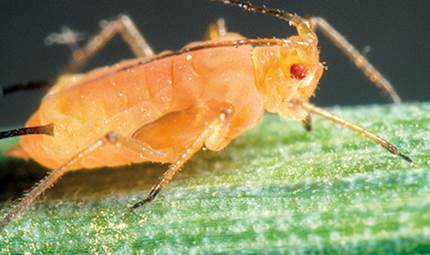
Figure 6 - English grain aphid - Sitobion avenae F., wingless female
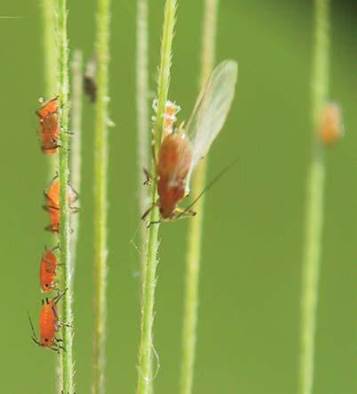
Figure 7 - Colony of English grain aphid - Sitobion avenae F., winged dispersing female and larvae
This species is monoecious, with eggs overwintering on cereal stems and leaves. Its life cycle closely resembles that of other similar species, producing multiple generations annually.
Distribution. Geographically, it is found throughout the entire European part of the former Soviet Union, excluding the far north, as well as in the Caucasus, Central Asia, Siberia, and Primorye. It has also been introduced to many countries worldwide.
Harmfulness. In terms of damage, the pest causes significant harm, especially during dry years. It affects a variety of cereal crops and corn, forming colonies that feed on the sap from the plants’ above-ground parts. This feeding reduces plant productivity, resulting in lighter grains and an increase in empty spikelets. Additionally, it serves as a vector for several viruses (Bei-Bienko et al., 1972), including barley yellow dwarf (Schmelzer, Spaar, 1977).