
2.2 Beetles - Coleoptera
2.2.1 European Click Beetle - Selatosomus latus (Fabr.) (Coleoptera, Elateridae)
The adult beetle measures between 9 and 14 mm in length, featuring a broad, rounded body. It is black in colour with a shiny, bronze-like metallic appearance and is covered in soft, greyish hairs (Figure 50). The antennae have serrated edges beginning from the fourth segment. The pronotum is wider than it is long, with distinct raised ridges at the rear corners.
The larvae are characterised by the presence of urogomphi on the last segment of the abdomen.
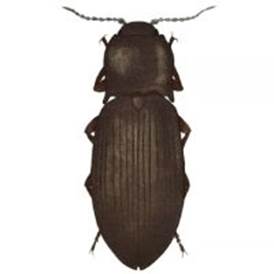
Figure 50 - European Click Beetle - Selatosomus latus (Fabr.).
Distribution. This species is found across the European part of the former Soviet Union, including the North Caucasus, Kazakhstan, and southern Siberia. It is also present in Central and Southern Europe, Asia Minor, parts of northern and eastern Mongolia, northeastern China, and Japan.
Both the beetles and larvae survive the winter beneath the soil, typically at depths ranging from 10 to 30 cm. The beetles become active and emerge from the soil with the arrival of warmer weather in the spring. The period during which they are most active in flight typically lasts from April to June.
Pupation in older larvae occurs between August and October, with the first adult beetles beginning to emerge as early as August. The larvae typically prefer soils found in meadows that are dense and contain a high concentration of compacted particlesю. The complete developmental cycle of this beetle spans about three to four years.
Harmfulness. This beetle is known to cause considerable damage to cereal crops, especially those planted for winter or early spring harvest. The larvae feed on both plant material and animal matter.
2.2.2 Click beetle (wireworm) - Agriotes gurgistanus (Fald.) (Coleoptera, Elateridae)
The adult beetle measures between 9 and 14 millimeters in length and is typically dark brown to nearly black in colour. Its body is cloaked in fine, silky hairs of a yellowish-grey hue (Figure 51). A notable feature is the deeply notched posterior margin of the propleura.
The larval form can be distinguished by the absence of a terminal spine on the last abdominal segment.
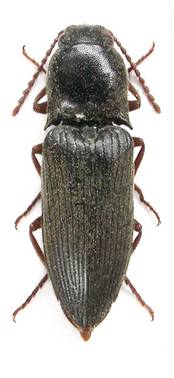
Figure 51 - Click beetle (wireworm) - Agriotes gurgistanus (Fald.)
Distribution. Within the former Soviet Union, this species is widespread across the forest-steppe and steppe regions of the European part, including the Caucasus and the Crimean Peninsula. It is also found in southeastern Europe, throughout the Balkans, and in parts of Asia Minor.
Larval development occurs in the soil, particularly in areas with higher salinity. These larvae are known to cause considerable damage to rain-fed crops in steppe environments. Only the larval stage survives through the winter. Feeding activity resumes once soil temperatures rise to approximately 8-9 °C (Bobinskaya, 1965). Seasonal movement patterns are well defined, with noticeable larval migrations taking place in both autumn and spring (Galakhov, 1950).
During periods of summer drought, larvae tend to retreat deeper into the soil - sometimes reaching depths of up to 40 centimeters. In preparation for winter, they typically settle at depths ranging from 30 to 40 centimeters (Roshchinenko, 1957). By late May or the beginning of June, the larvae typically begin to pupate, marking the transition to their next life stage.
In southern parts of Russia, adult beetles begin to emerge in mid-summer, with the highest numbers typically observed in the second and third weeks of July (Guryeva, 1979). Females lay their eggs around the same time, and their reproductive output can reach as many as 220 eggs per individual (Dolin, 1988). This species has a relatively slow development, requiring approximately three to four years to complete its full life cycle.
Harmfulness. These beetles are considered a major threat to young cereal crops, especially in steppe regions, where they can cause substantial damage during the early growth stages.
2.2.3 Lined click beetle - Agriotes lineatus (L.) (Coleoptera, Elateridae)
The beetle measures around 7.5 to 11 mm in length and has a colour that ranges from light brown to dark brown-black. Its antennae, legs, and the spaces between the elytra segments are lighter, giving it a striped appearance on its back (Figure 52).
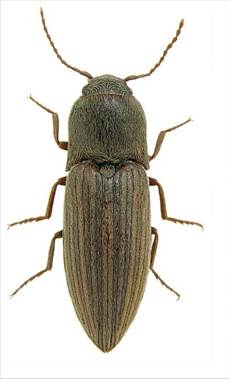
Figure 52 - Lined click beetle - Agriotes lineatus (L.)
The larva features a noticeable tooth at the end of its mandibles and a tiny spine on the final segment of its abdomen.
Distribution. This species is distributed across the European portion of the CIS, Siberia (excluding tundra regions), Central Asia (except desert areas), and the Far East. It is also found in Europe, Asia Minor, northern Mongolia, Canada, Brazil, the Haitian Islands, and New Zealand.
Both the adult beetles and their larvae overwinter in the soil. The larvae can be found in a range of soil types, from wet peatlands to the drier, fertile chernozem. In warmer southern regions, beetle flights usually occur between May and August, but in cooler northern areas, they begin a bit later, around early June (Brian, 1947). A female can produce up to 135 eggs in her lifetime (Guryeva, 1979). The full development cycle of this species typically takes about 4 to 5 years.
Harmfulness. The larvae primarily target grass roots, causing considerable harm to cereal crops, especially in regions with fertile, dark soils.
2.2.4 Obscure click beetle - Agriotes obscurus (L.) (Coleoptera, Elateridae)
The beetle is about 7.5 to 10 mm long, with a matte appearance and a colour that varies from light brown to brownish-black. It’s covered in yellowish-grey hairs (Figure 53), and when looked at from the side, the elytra slope sharply downward toward the tip.
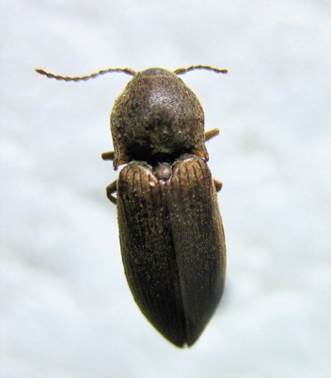
Figure 53 - Obscure click beetle - Agriotes obscurus (L.)
The larva features a spine on the last segment of its abdomen and differs from the previous species by having a blunt tooth near the tip of its mandibles.
Distribution. This species is found across the European part of the CIS and Siberia, extending southward into the steppe zone, including regions such as the North Caucasus, the steppe areas of Kazakhstan, the Dzhungarian Alatau, Altai, Primorsky Krai, Sakhalin, and Kunashir Island. It is also present in Europe, northern Mongolia, and North America.
Both the adult beetles and the larvae are able to survive through the winter. The larvae prefer damp soils, from peat bogs (Gilyarov, 1939) to meadow-steppe areas, but they are most abundant in meadow soils.
The beetles are most active during May and June. A single female can lay up to 200 eggs.
In terms of impact, this species causes significant damage to a wide range of crops, particularly cereals, in areas outside the black soil zone.
2.2.5 Common click beetle - Agriotes sputator (L.) (Coleoptera, Elateridae)
This beetle measures between 6 and 8.5 mm in length and ranges in colour from light to dark brown. The front and often the back corners of the pronotum, as well as the elytra, antennae, and legs, are generally lighter in colour and have a fine covering of grey hairs. The pronotum's width is about the same as its length. The edge of the hind thoracic sternite is at least two-thirds the width of the episternum in that same area (Figure 54).
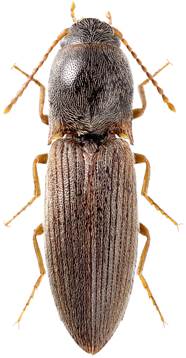
Figure 54 - Common click beetle - Agriotes sputator (L.)
The larva stands out because it has a spine on the last segment of its abdomen. It can be easily told apart from the other two species by its smoother body surface and smaller size.
As for its distribution, this species is found across the CIS, ranging from the southern taiga subzone to the steppe zone in the European part, the Caucasus, the plains of Kazakhstan (excluding desert areas), and the mountainous regions of Central Asia (including Alatau, Saur, and Tarbagatai). It also inhabits southern Siberia and the Far East. In Europe (excluding the northernmost regions), Asia Minor, northern Mongolia, and northern Africa, it is commonly found. The beetle has also been introduced to North America.
The larvae of this pest spend the winter in the soil of the forest-steppe zone, typically buried 20 to 60 cm deep (Roshchinenko, 1966; Serous, 1984). They undergo pupation between July and September, usually at a depth of 10 to 20 cm. Large-scale adult flights generally happen from late May to early June. A single female can lay as many as 100 eggs.
Harmfulness. This insect is known to be one of the most widespread and harmful pests to cereal crops. The larvae cause damage to various types of crops, with the most severe losses occurring in the forest-steppe zone (Gilyarov, 1940) and irrigated steppe regions (Dolin, Stovchatyy, 1978).